Article
Why All the Agent Apps the Same
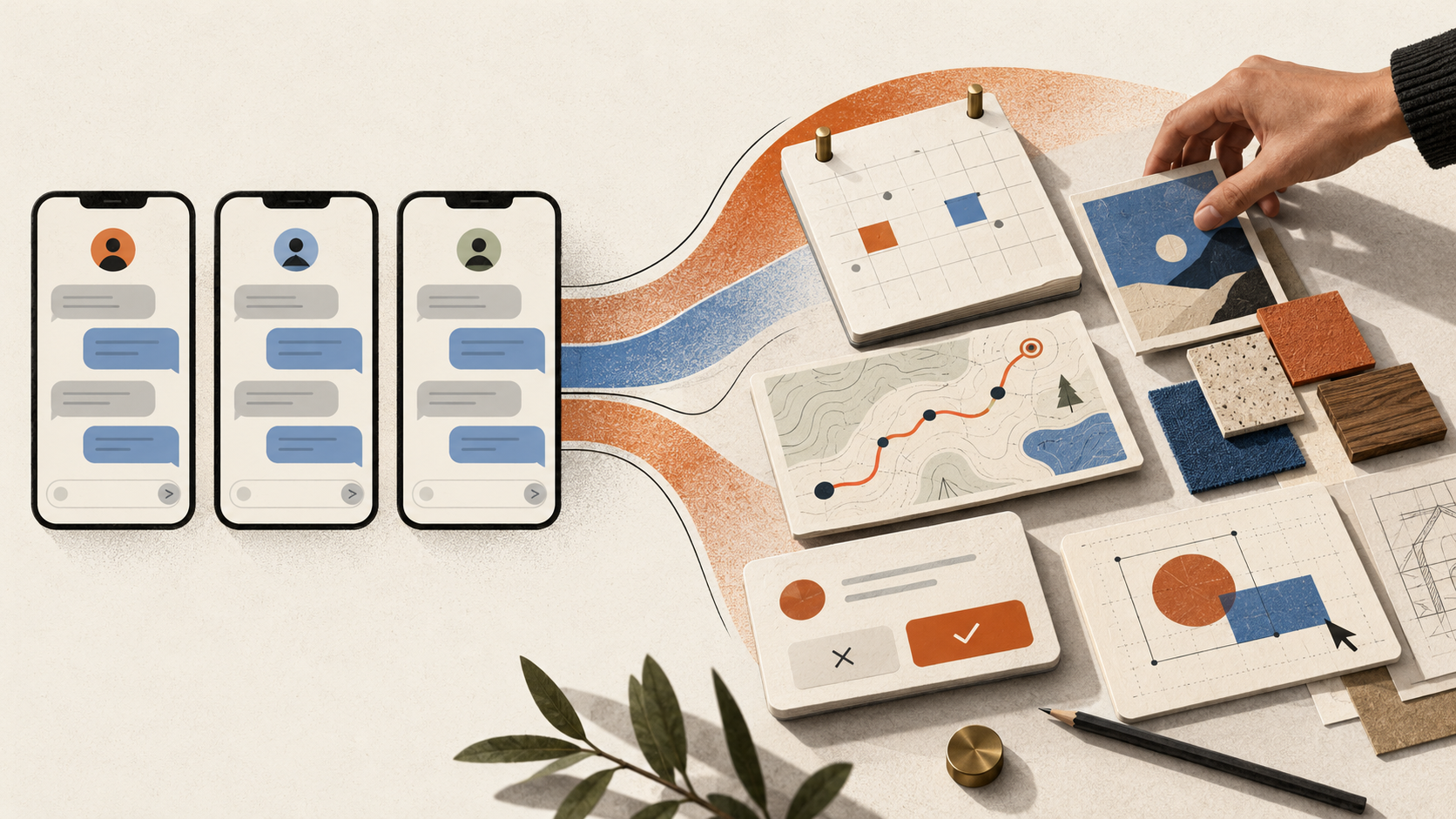
OpenAI Dots, Grok Bot, Muse by Meta, and so on all use the same look and feel for their bot UIs. Why?
Read article →
Notes on building web and mobile products, shipping fast, and putting AI to work.
OpenAI Dots, Grok Bot, Muse by Meta, and so on all use the same look and feel for their bot UIs. Why?

AI coding agents make it easy to build fast, but working directly against a production database turns everyday prompts into risky, hard-to-reverse operations. This piece explains why CI/CD and separate databases matter, and lays out a minimum viable workflow to keep experimentation safe.
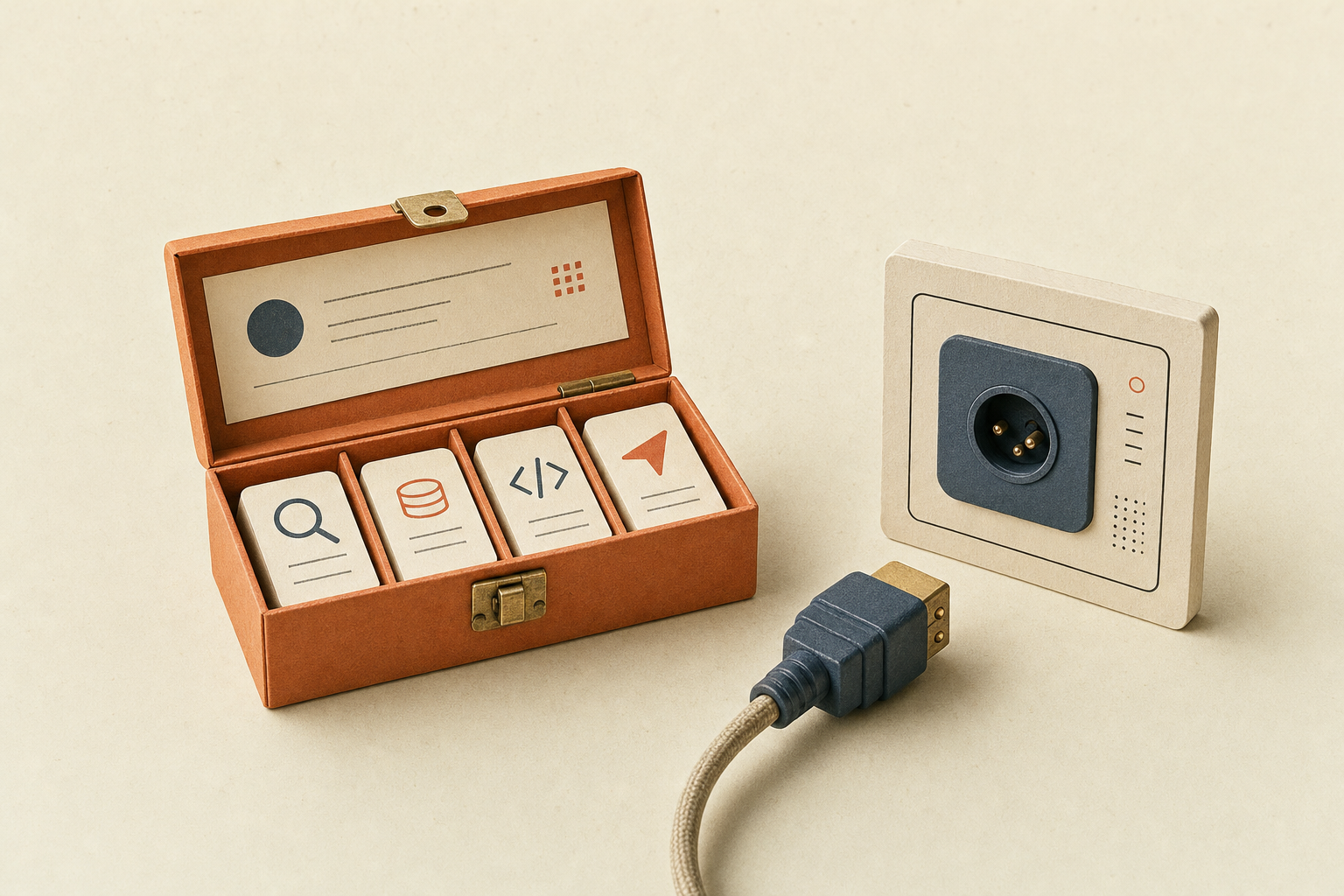
An explainer on WebMCP, the emerging standard for letting websites expose structured tools to AI agents, and a practical look at where it helps, where it doesn't, and how to prototype it responsibly.

Meta opened its smart glasses platform to outside developers this year, creating a new set of possibilities for companies exploring wearable software.

The highest-ROI use of AI agents isn't replacing your best people, it's deleting the repetitive, low-judgment work that quietly drains your team every week.

Video models are quietly becoming world models, learning physics, permanence, and cause-and-effect. Here's what that shift means for the businesses building on top of them.

Anyone can add a bot to Slack. Making it safe, reliable, and measurably useful is an engineering discipline, not a prompt. Here's the operating model that holds up.

An agent is only as useful as the systems it can reach. The Model Context Protocol is quietly becoming the standard way to connect agents to your tools, safely.